Protecting What Matters Most: Why Alarm Maintenance Isn’t Optional

Home security has undergone a quiet transformation over the past decade. Once viewed as a luxury, alarm systems are now a standard part of residential protection, driven by a combination of falling hardware costs, smart home integrations, and heightened awareness of household risk. Yet as more homes adopt alarms, fewer homeowners pay ongoing attention to the upkeep that ensures those systems perform properly when they’re needed most.
The Silent Weak Link in Home Security
Most people assume that once an alarm is installed, it’s good to go indefinitely. Modern systems are dependable, yes, but they are also complex. Sensors rely on batteries, wiring, wireless transmitters, and programmable software. Over time, small issues build up—battery degradation, false alerts, faulty sensors, outdated firmware—and if they go unchecked, the system may fail when prompted to respond to a real threat.
Routine Maintenance as Risk Prevention
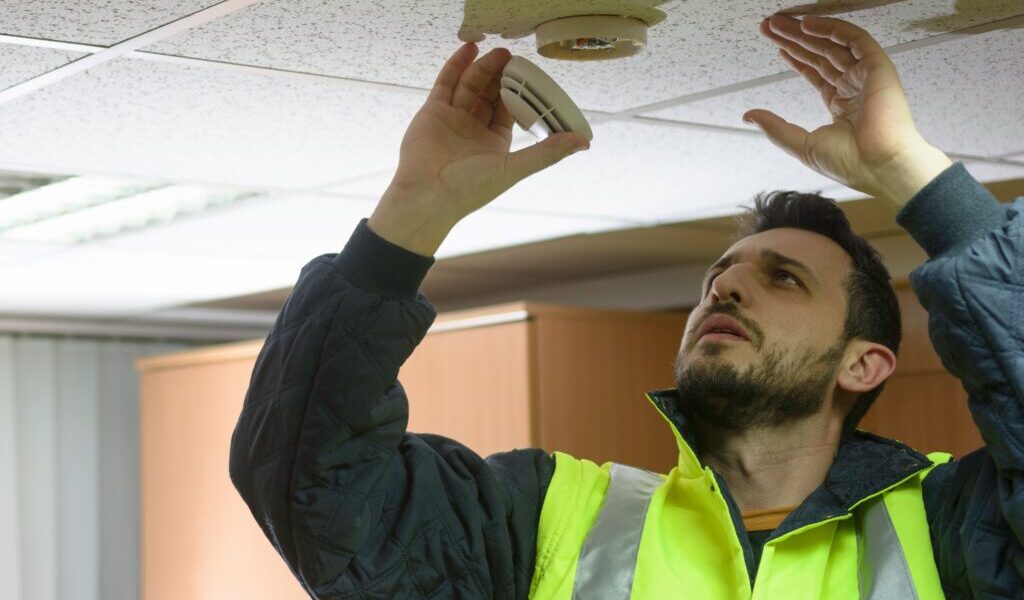
Just as vehicles need servicing and boilers need annual inspections, alarm systems benefit from consistent checks. Maintenance technicians inspect wiring integrity, update digital modules, replace aging components, and recalibrate sensors. This proactive approach significantly reduces false alarms and ensures the uninterrupted function of the system.
For businesses, routine servicing is often a compliance necessity—especially where insurance is involved. Commercial insurers frequently require validated maintenance logs to reduce liability exposure and ensure claims remain valid in the event of burglary or damage.
The DIY Temptation vs. Professional Reality
It’s understandable why homeowners may choose to ignore alarm servicing. If nothing is visibly broken, why pay for a technician? The issue, however, is that trained engineers identify problems the user isn’t aware of. Some systems store diagnostic event logs that highlight failing components long before they lead to operational failure.
This distinction—between a system that appears functional and one that truly is—can be the difference between stopping an intruder or simply capturing the aftermath.
Single Keyword Integration Paragraph
Many homeowners search for help online using phrases like burglar alarm servicing near me when their system begins behaving erratically or when insurance documentation prompts a professional service request. This highlights the growing recognition that maintenance is not merely optional but an embedded part of responsible home security management.
Evolving Threats and Smarter Solutions
It’s not only the alarms themselves that have evolved—the threat landscape has as well. Opportunistic break-ins have given way to more coordinated criminal behaviour that includes reconnaissance, data gathering, and exploitation of digital vulnerabilities. In response, many alarm manufacturers have shifted to intelligent systems that link with CCTV, access control, and remote monitoring platforms.
Smart alarms can now push automated alerts to smartphones, notify monitoring stations, and integrate police response protocols. Servicing ensures these features remain calibrated, patched, and interoperable.
Insurance, Liability & Peace of Mind
Most major insurers now view alarms as risk-mitigation assets. Homes with properly maintained systems are statistically less likely to experience property loss, and when theft occurs, the damage is often reduced due to rapid system response. Insurance claims become easier to process when homeowners can demonstrate that recommended maintenance procedures have been followed.
Above all, peace of mind is the most compelling reason for maintenance. A home alarm is like a seatbelt—it only needs to work once, and when it does, it justifies every investment made into its upkeep.
Looking Ahead: Increasing Integration
As homes become more connected, alarm systems will not exist in isolation. Interoperability with HVAC, lighting, locks, gates, and voice assistants is expanding. The more integrated the security ecosystem becomes, the greater the need for annual servicing and software upkeep.
Consumers should expect servicing contracts to shift from reactive repair models toward managed protective arrangements. Instead of waiting for errors, technicians will proactively monitor digital health, sensor traffic, battery strength, and firmware patches via cloud interfaces.